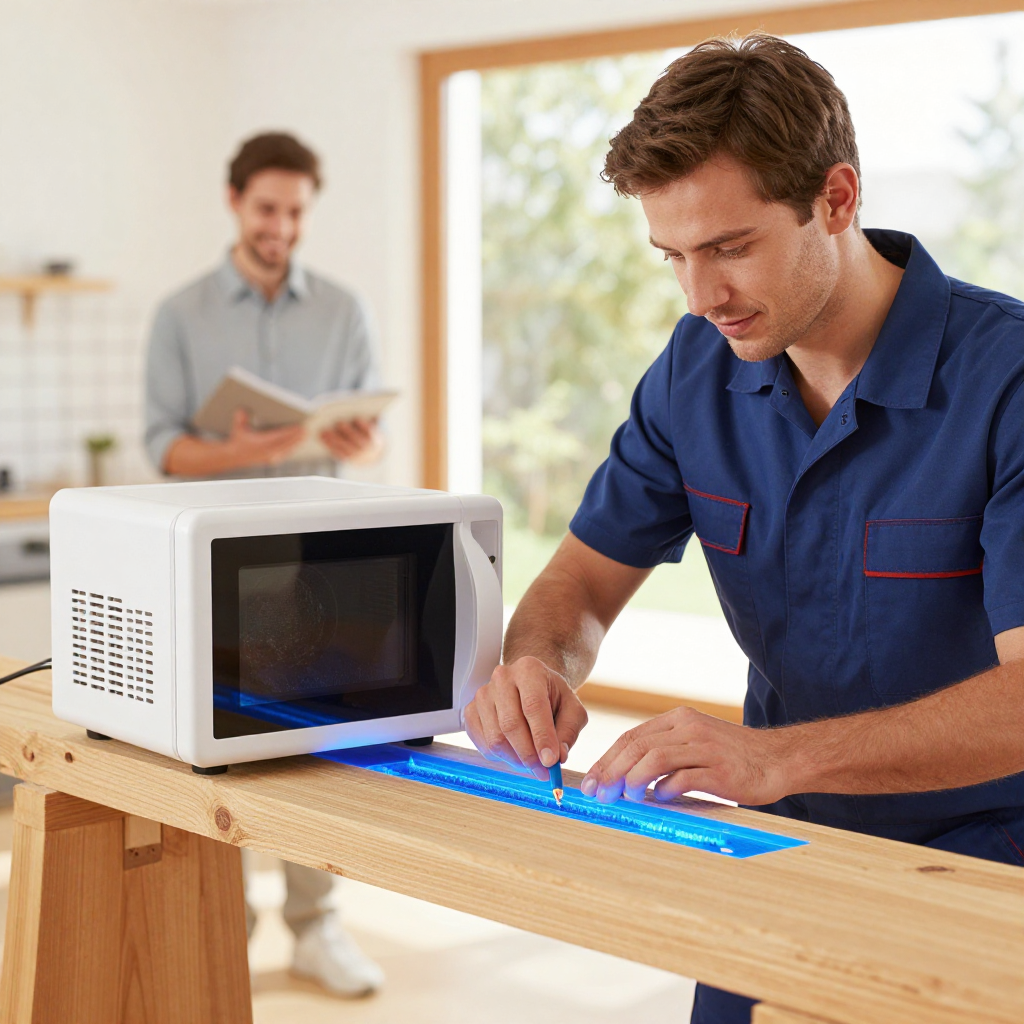
The pest control industry is constantly evolving. As new technologies emerge, professionals are looking for solutions that not only eliminate pests effectively but also meet growing customer expectations for safety, sustainability, and minimal disruption. In the field of woodworm control, one technology has gained increasing attention over the past decade: microwave treatment.
Unlike traditional methods that rely on chemical insecticides or fumigation, microwave technology uses controlled non-ionizing electromagnetic energy to eliminate active wood-boring insects hidden inside timber. As more companies incorporate this approach into their services, many pest control professionals view it as an important addition to modern integrated pest management. Shashel is among the companies helping drive this innovation with professional microwave systems designed specifically for wood preservation.
A Shift Toward Modern Pest Control
Today’s pest control professionals work in a changing industry.
Customers increasingly ask for solutions that are:
- Effective against active infestations
- Environmentally responsible
- Less disruptive to their property
- Suitable for historic buildings
- Focused on preserving original materials
These changing expectations have encouraged many companies to expand beyond traditional treatment methods.
Rather than replacing established techniques altogether, many professionals see microwave technology as another valuable tool that can be selected when appropriate.
Why Woodworms Require a Different Approach
Woodworm infestations differ from many other pest problems because the insects spend most of their lives hidden inside timber.
After eggs hatch, larvae tunnel deep into the wood, where they may remain for several years while feeding on cellulose.
Commonly affected areas include:
- Roof beams
- Floor joists
- Ceiling timbers
- Wall framing
- Staircases
- Timber-framed buildings
- Antique furniture
- Decorative woodwork
Because the insects are concealed beneath the surface, effective treatment requires reaching the infestation inside the timber.
What Professionals Appreciate About Microwave Technology
One of the main reasons microwave treatment has attracted professional interest is its different operating principle.
Instead of depending on chemical toxicity, Shashel uses carefully controlled non-ionizing microwave energy.
As the energy passes through the timber, moisture-rich insects absorb it more efficiently than seasoned wood. Their internal temperature rises until they can no longer survive.
The treatment can target:
- Eggs
- Larvae
- Pupae
- Adult beetles present within the treated area
Professionals value this approach because it addresses active infestations without applying pesticides directly to the wood.
A Useful Addition to Integrated Pest Management
Modern pest control rarely relies on a single technique for every situation.
Instead, professionals often use an integrated approach that combines:
- Thorough inspections
- Accurate identification of the pest
- Moisture management
- Preventive maintenance
- Appropriate treatment methods
- Follow-up monitoring
Microwave technology fits naturally into this strategy by providing a specialized option for treating active wood-boring insect infestations.
Chemical-Free Treatment Is Increasingly Popular
Many customers ask whether effective woodworm treatment is possible without pesticides.
Microwave technology offers a practical answer.
Because Shashel systems do not rely on chemical insecticides or fumigants, they provide several advantages that professionals frequently discuss with clients:
- No pesticide application
- No toxic fumigation gases
- No chemical residues on treated timber
- Reduced reliance on conventional chemicals
For customers seeking environmentally responsible solutions, these characteristics are often a deciding factor.
Helping Preserve Valuable Timber
Professionals working with historic buildings recognize that preserving original materials is just as important as eliminating pests.
Historic structures may contain:
- Centuries-old roof beams
- Original timber framing
- Decorative wood ceilings
- Handcrafted staircases
- Antique furniture
- Museum collections
Replacing original wood is often undesirable unless structural damage makes it necessary.
Microwave treatment supports conservation by targeting active infestations while helping preserve the existing timber.
Precision Matters
Another feature professionals appreciate is the targeted nature of microwave treatment.
Rather than applying products across large areas, treatment focuses on the affected timber.
Before beginning work, technicians evaluate:
- The extent of the infestation
- Timber dimensions
- Moisture conditions
- Accessibility
- Building construction
- Nearby fixtures and utilities
This assessment helps determine the most appropriate treatment strategy for each project.
Suitable for Many Types of Projects
Professional microwave technology can be applied in a wide variety of environments.
Common applications include:
- Residential homes
- Apartment buildings
- Historic churches
- Museums
- Libraries
- Commercial properties
- Schools
- Hotels
- Timber-framed buildings
- Heritage restoration projects
Its versatility allows pest control companies to serve both modern buildings and historically significant structures.
Supporting Sustainable Pest Management
Environmental responsibility has become an important consideration throughout the pest control industry.
Professionals increasingly look for technologies that help:
- Reduce chemical use
- Preserve existing building materials
- Minimize disruption
- Support sustainable property maintenance
- Meet evolving customer expectations
Microwave technology aligns well with these objectives, making it an attractive option for companies expanding their service offerings.
Training and Professional Expertise
Microwave treatment is specialized technology that requires appropriate training and careful planning.
Experienced technicians understand how to evaluate:
- Active infestation levels
- Timber characteristics
- Treatment locations
- Building layouts
- Safety considerations
- Project objectives
This expertise helps ensure that each treatment is carried out effectively and according to professional procedures.
Looking Ahead
Many pest control professionals expect innovation to continue shaping the future of wood preservation.
Rather than relying exclusively on conventional methods, the industry is moving toward solutions that emphasize:
- Scientific precision
- Targeted treatment
- Environmental responsibility
- Preservation of original timber
- Long-term property protection
Microwave technology represents one of the most significant developments supporting these goals.
Through continued innovation, Shashel is helping professionals expand the range of effective tools available for managing wood-boring insect infestations.
Why Professionals Continue to Explore Microwave Technology
While every infestation requires its own assessment, many pest control companies recognize the value of adding microwave treatment to their services.
The technology offers:
- A chemical-free treatment option
- Targeted elimination of active wood-boring insects
- Support for timber preservation
- Minimal chemical exposure
- Compatibility with integrated pest management strategies
These practical advantages explain why microwave treatment is becoming an increasingly common part of modern professional woodworm control.
Conclusion
Pest control professionals are continually seeking better ways to protect homes, heritage buildings, and valuable timber from wood-boring insects. Microwave technology has emerged as an important addition to modern pest management because it provides a targeted, chemical-free method for treating active infestations hidden inside wood.
